Why Peeing in the Shower Isn’t as Harmless as You Think
Sure, peeing in the shower might feel like a quick and easy way to save time—or even water—but medical experts caution that it’s not without risks, especially for women. Here’s why you might want to think twice before making it a habit:
- Bacteria and Mold Love It: While urine starts off sterile, the warm, damp environment of your shower creates the perfect breeding ground for bacteria and mold. Splashback can introduce these unwanted guests to sensitive areas, increasing the chances of urinary tract infections (UTIs) and yeast infections.
- Compromised Cleanliness: Showers are meant for cleansing your body—not turning into a surface coated with a mix of urine and soap scum. This unsanitary combo is especially problematic in shared bathrooms, where hygiene matters most.
- Pelvic Floor Problems: Peeing while standing might stop your bladder from fully emptying, which can weaken pelvic floor muscles over time and leave you more vulnerable to infections.
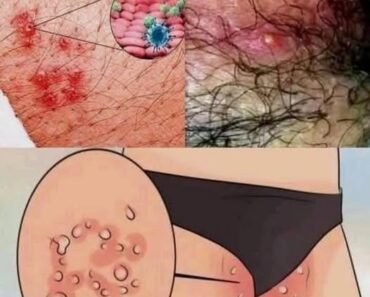
- Irritated Skin: The urea and ammonia in urine can irritate delicate skin, causing discomfort or even rashes.
- Breaking Healthy Habits: Turning this into a routine might throw off your normal bathroom habits, which could lead to longer-term bladder issues.
Of course, for those with mobility challenges or specific medical advice, exceptions apply—but even then, thorough shower cleaning is a must.
Bottom line? For the sake of your health and hygiene, it’s best to stick with the toilet—and keep your shower a truly clean space.