“The debate was spiraling out of control — until a man stood from the audience, placed a photograph on the desk, and silenced Jesse Watters with five words: ‘Don’t make this about politics.’” — The night Fox News turned into a moment of truth
The set of Jesse Watters Primetime was buzzing as it always does on a weeknight. Bright lights, sharp suits, and a guest panel ready to spar. The topic was immigration and border security — an issue that has long divided the country and fueled fiery exchanges on television.
Jesse Watters, Fox News’s rising star and one of its most combative voices, was in his element. Leaning forward, eyes flashing, he clashed with a Democratic strategist across the table. Their voices overlapped, accusations flying back and forth. The studio audience, encouraged to react, shouted, clapped, and groaned.
It was the kind of chaos that had made cable news famous. But then, something unexpected happened.
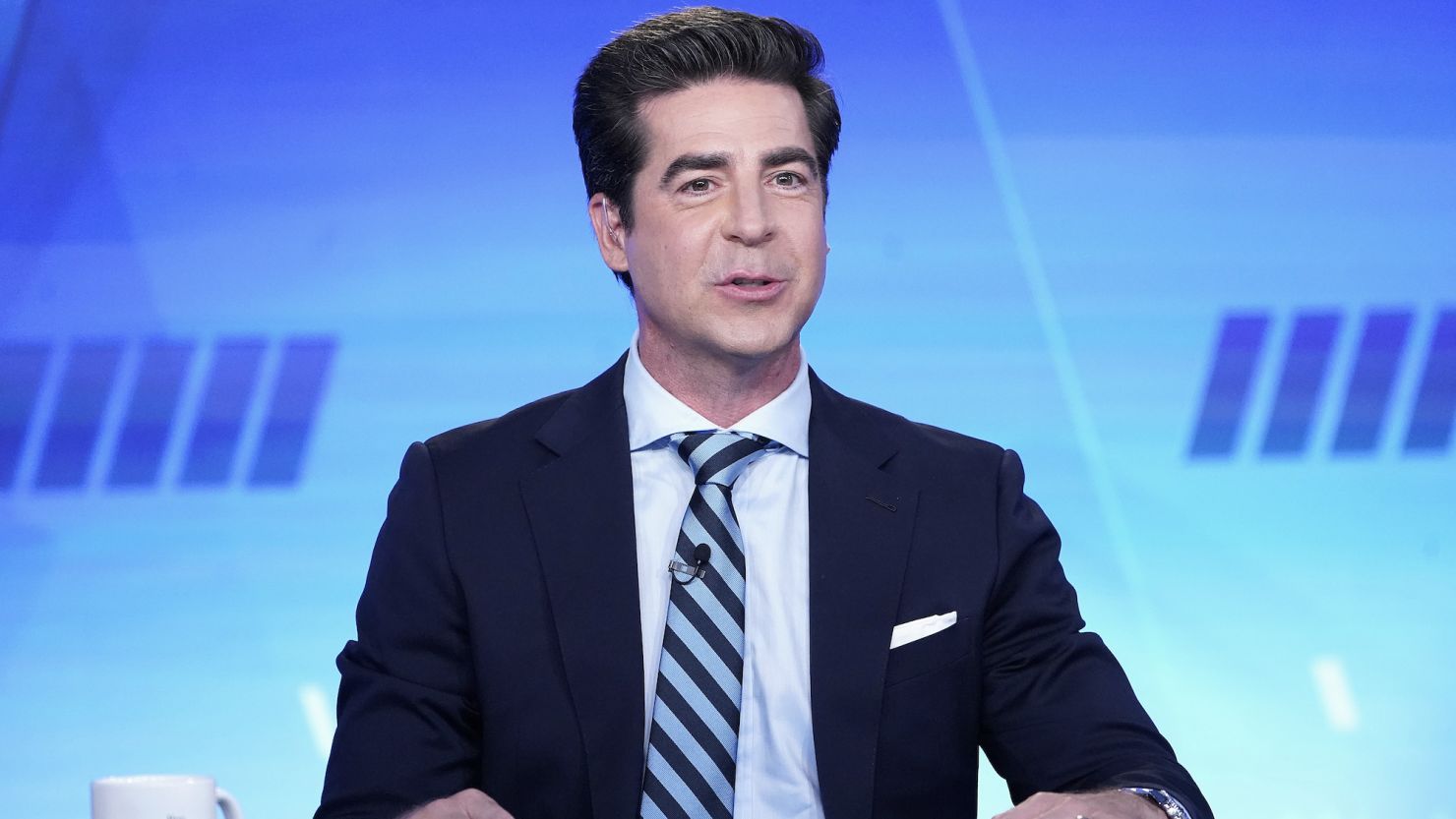
From the third row, a man in his late 50s stood up. He wasn’t loud at first. He simply raised his hand, clutching a worn photograph. The cameras panned, confused. Security hesitated. Jesse, mid-argument, turned sharply: “Sir, this isn’t a Q&A.”
But the man stepped forward anyway. His voice broke as he spoke. “My son died serving at the border. Please… don’t make this about politics. Make it about people.”
The room froze. The strategist fell silent. Jesse’s eyes darted to the photograph the man now placed gently on the desk. It showed a young man in uniform, smiling proudly in front of an American flag.
The father continued: “I’ve watched this debate my whole life. You yell, they yell, the audience claps. But out there, real families bury their kids. Real people bleed. All I ask is, remember them before you score points.”
The silence in the studio was absolute. For once, the cameras captured not confrontation, but stillness. Jesse leaned back, visibly shaken. His usual smirk was gone. His voice, when it came, was softer than anyone had ever heard on his show.
“Sir… I’m so sorry. You’re right. Sometimes we forget what’s at stake. Thank you for reminding us.”

The man nodded, wiping his eyes, and returned to his seat. The audience applauded — not the usual raucous cheer, but a slow, heartfelt ovation that filled the studio like a hymn.
Jesse, collecting himself, turned back to the cameras. “We talk a lot about policy. We talk a lot about winning debates. But tonight… I think we needed to be reminded of the cost. It’s not about me, or my guest. It’s about families like his.”
The segment ended abruptly, cutting to commercial. But the moment lived on. Within hours, clips of the exchange flooded social media. One tweet read: “For the first time, cable news felt real. Respect to that father.” Another: “Watters looked human tonight — shaken, humbled, listening. Maybe that’s the Fox News we need more of.”
Even critics of Jesse admitted something remarkable had occurred. A columnist wrote: “What happened wasn’t scripted. It wasn’t punditry. It was grief interrupting spectacle — and for a rare moment, truth won.”
The next day, Jesse addressed it again at the top of his show. “Last night, a man reminded us that behind every headline, there are families who carry the weight. I won’t forget that. And I don’t think any of us should.”
For viewers, it was a glimpse of something seldom seen on primetime television: humility. For Jesse, it was a reminder that sometimes the most powerful words aren’t shouted across a desk, but whispered through pain.
And for one grieving father, it was proof that even in the noisiest arena of American politics, his son’s sacrifice could not — and would not — be ignored.