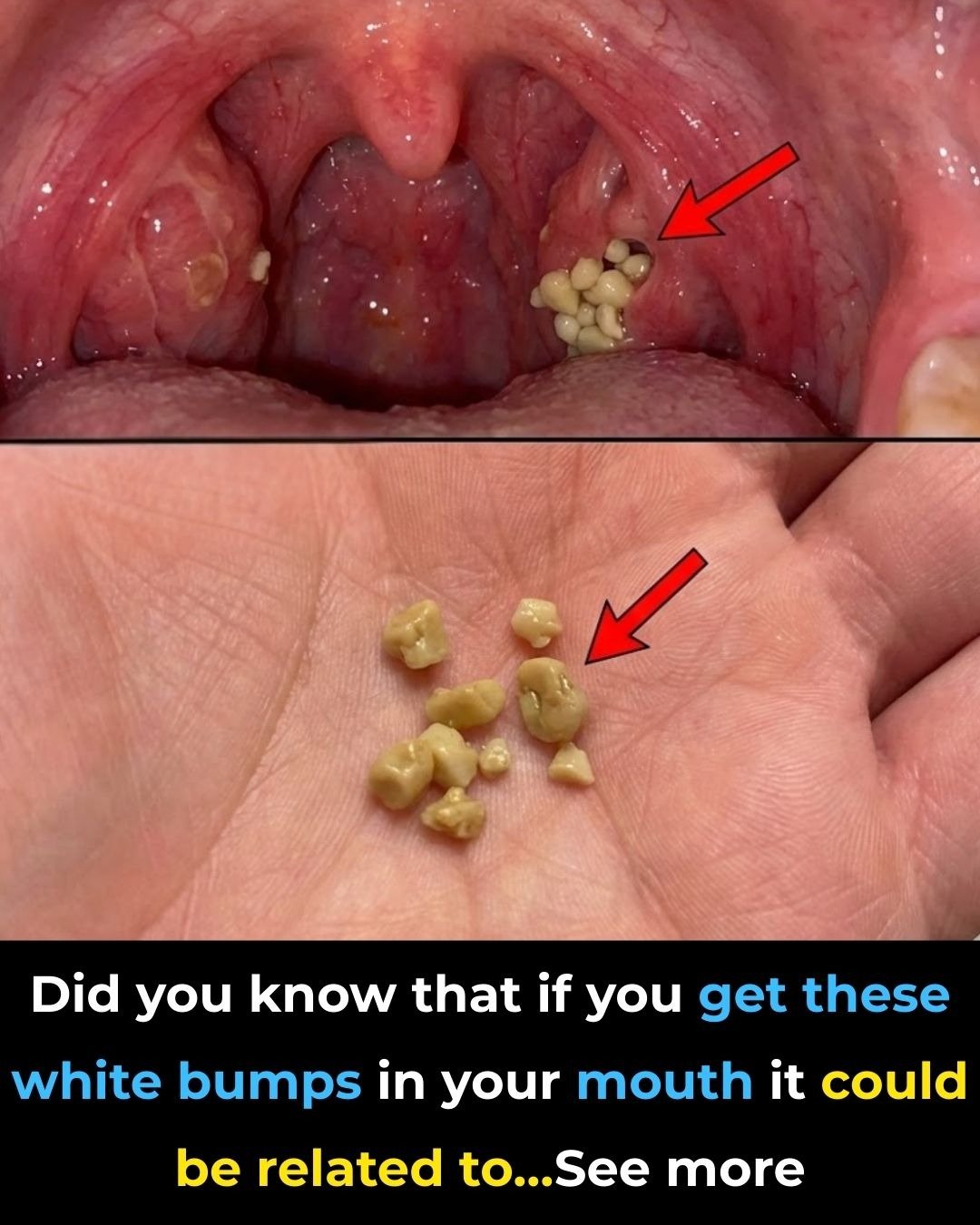
You’re brushing your teeth, gargling, minding your own business, thinking you’re doing everything right for your oral health—then you cough, and suddenly there it is: a small, white or yellowish pebble with a smell so foul it feels almost unreal. If this has ever happened to you, you’ve just been introduced to the oddly unsettling world of tonsil stones, medically known as tonsilloliths. While they’re rarely dangerous, tonsil stones have a unique way of causing outsized discomfort, embarrassment, and frustration. They’re infamous for causing persistent bad breath that doesn’t respond to brushing, a constant sensation of something stuck in the throat, and irritation that can linger for weeks or months. Many people feel alarmed the first time they encounter one, assuming it must be a sign of infection or serious illness. The reality is less frightening but no less annoying. Tonsil stones are extremely common, often misunderstood, and—most importantly—manageable with the right combination of knowledge, habits, and targeted care. Understanding what they are and why they form is the first step toward getting rid of them for good.
Tonsil stones develop in the tonsils, two soft masses of tissue located at the back of the throat that play a role in immune defense, especially during childhood. The surface of the tonsils is not smooth; instead, it contains folds and crevices called crypts. These crypts are designed to trap bacteria and viruses so the immune system can identify and neutralize them. However, this same design also makes the tonsils excellent collectors of debris. Food particles, dead white blood cells, mucus, and bacteria can become lodged in these tiny pockets. Over time, this material accumulates and begins to harden through a process called calcification, forming the soft but gritty lumps known as tonsil stones. Anaerobic bacteria—bacteria that thrive in low-oxygen environments—often inhabit these stones and produce sulfur compounds, which are responsible for the unmistakably unpleasant odor. Tonsil stones can be microscopic or grow large enough to be visible to the naked eye, sometimes reaching the size of a pea. They are more common in people with large tonsils, deep crypts, chronic tonsillitis, frequent throat infections, or post-nasal drip, but even people with excellent oral hygiene and no history of throat problems can develop them. In other words, getting tonsil stones does not mean you’re doing something “wrong.”
One of the most frustrating aspects of tonsil stones is that many people don’t realize they have them until symptoms become impossible to ignore. The most common and distressing symptom is chronic bad breath, also known as halitosis, that persists despite regular brushing, flossing, and mouthwash use. This happens because the odor-causing bacteria embedded in the stones are protected from surface-level cleaning. Other common symptoms include a sensation of a lump or foreign object in the back of the throat, soreness or discomfort when swallowing, and irritation that comes and goes without an obvious cause. Some people experience ear pain, which can be confusing until you learn that the tonsils and ears share nerve pathways, allowing discomfort to be “referred” from one area to the other. You might also notice white or yellow spots on your tonsils, a metallic or bitter taste in your mouth, frequent coughing, or the need to clear your throat repeatedly. Importantly, tonsil stones themselves are not an infection. However, if bacteria overgrow or if stones are associated with chronic inflammation, symptoms can worsen and mimic those of an infection, leading to unnecessary worry and antibiotic use that doesn’t address the real problem.
When it comes to removing tonsil stones, the approach depends on their size, frequency, and the level of discomfort they cause. For mild or occasional stones, at-home removal methods are often sufficient and safe when done gently. Gargling with warm salt water is one of the simplest and most effective techniques. Salt water helps loosen debris, reduce bacterial load, and soothe irritated tissue. Using about one teaspoon of salt in a cup of warm water and gargling two to three times a day can make a noticeable difference. Some people are able to dislodge stones by gently pressing around the tonsil area with a clean cotton swab or finger, always being careful not to poke directly into the tonsil or use sharp objects, which can cause bleeding or infection. A water flosser on a low-pressure setting can also be useful, as a gentle stream of water can flush out crypts without causing trauma. Even vigorous coughing or gargling can sometimes be enough to expel a stone naturally. However, if stones are large, painful, recurrent, or difficult to remove, it’s time to involve a medical professional. An ear, nose, and throat (ENT) specialist can safely remove stones, assess whether there’s an underlying issue such as chronic tonsillitis, and discuss advanced options like laser cryptolysis, which smooths the surface of the tonsils to reduce crypt depth, or tonsillectomy in severe, unrelenting cases.
Prevention is where most people see the greatest long-term improvement, and it almost always starts with consistent, thorough oral hygiene. Brushing twice a day and flossing nightly reduce the amount of bacteria and food debris available to become trapped in tonsil crypts. Cleaning the tongue—often overlooked—is especially important, as the tongue harbors a large population of odor-causing bacteria that can migrate toward the tonsils. Staying well hydrated throughout the day helps maintain healthy saliva flow, which naturally cleanses the mouth and limits bacterial growth. Dry mouth, whether caused by dehydration, medications, or mouth breathing, creates an ideal environment for tonsil stones to form. Gargling after meals with salt water or an alcohol-free mouthwash can flush away lingering food particles before they have a chance to settle into crypts. Lifestyle factors also matter. Smoking dries out the mouth and irritates the tonsils, increasing the likelihood of stone formation, while dairy products can thicken mucus in some individuals, making it easier for debris to accumulate. Managing allergies, sinus infections, and chronic nasal congestion is equally important, as post-nasal drip provides a constant supply of mucus that feeds tonsil stones if left untreated.
There are many myths surrounding tonsil stones that can make people feel embarrassed or overly alarmed. One common misconception is that tonsil stones mean poor hygiene, when in reality they often result from anatomy rather than neglect. People with deep tonsil crypts are simply more prone to them, regardless of how meticulous their oral care routine may be. Another widespread myth is that tonsil removal is the only real solution. While tonsillectomy can eliminate tonsil stones permanently, it is considered a last resort due to the risks, recovery time, and discomfort associated with surgery. Most people can manage or completely prevent tonsil stones through consistent hygiene, hydration, and addressing contributing factors like allergies or dry mouth. Still, there are situations when tonsil stones—or symptoms that look like them—should not be ignored. One-sided tonsil swelling, persistent hoarseness, unexplained weight loss, or lumps in the neck that don’t go away warrant medical evaluation, as they can indicate more serious conditions unrelated to tonsil stones. The bottom line is that tonsil stones are gross, annoying, and sometimes embarrassing, but they are almost always benign and controllable. With the right habits and a bit of persistence, you can dramatically reduce their frequency—or eliminate them altogether—proving that even the strangest health nuisances don’t have to control your life.