Dale Earnhardt Sr.’s Autopsy Report Just Got Re-Examined — 4 Shocking Findings Now Raise Serious Questions About What Really Happened A recent medical review has exposed details that contradict what we were told at the time. Was the full truth hidden from the public?
Posted by
–
Unveiling the Final Lap: Four Shocking New Details from Dale Earnhardt Sr.’s Autopsy Report
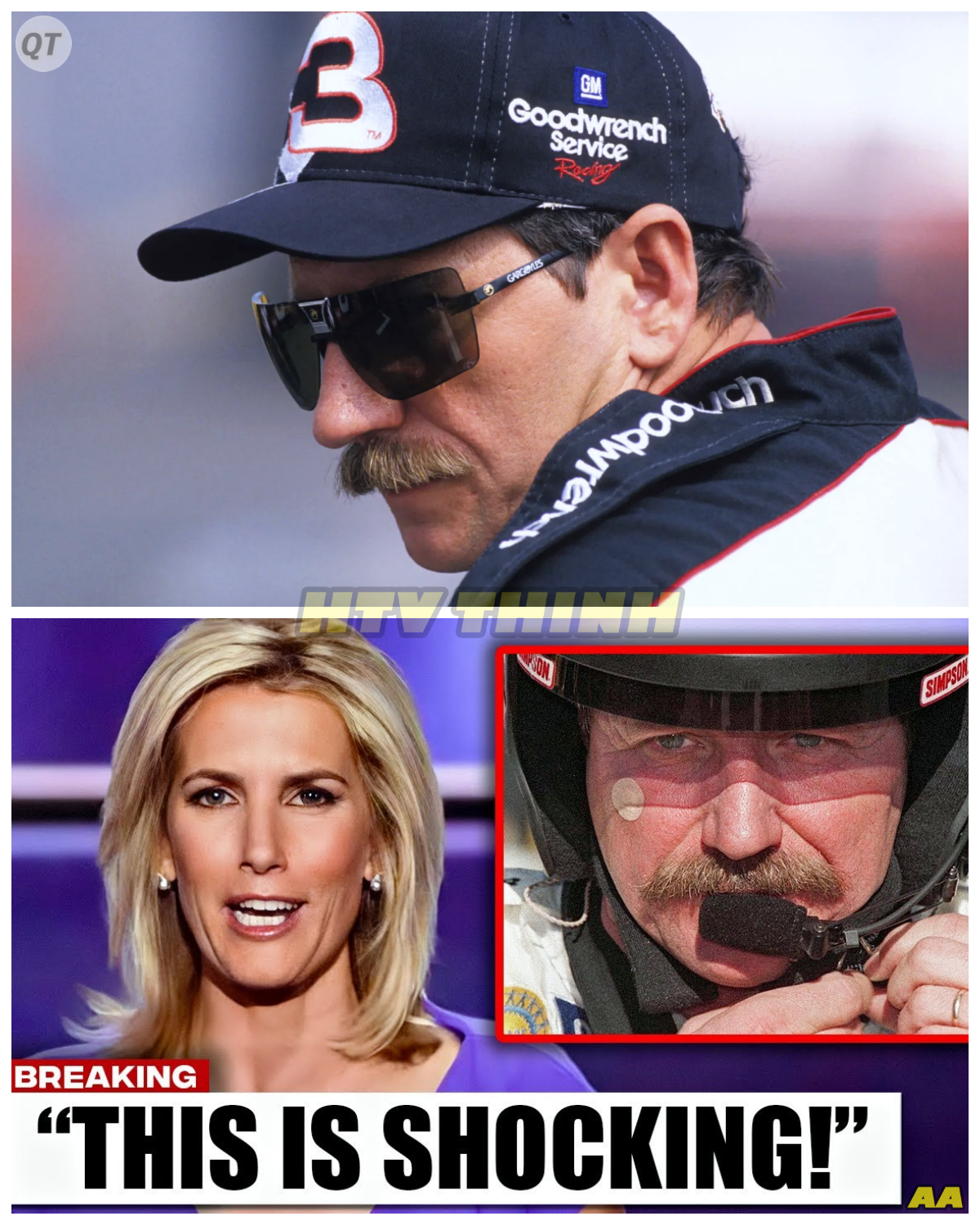
Dale Earnhardt Sr.was more than just a race car driver—he was a living legend.
Known affectionately as “The Intimidator,” his fearless driving style and relentless competitiveness defined NASCAR for decades.
From 1975 until his tragic death in 2001, Dale dominated the sport, earning the respect and admiration of fans and competitors alike.
But on February 18, 2001, during the final lap of the Daytona 500, everything changed forever.
Dale Earnhardt Sr.
was fighting fiercely to maintain his position and block rivals to help his team secure victory.
In a split second, his No.
3 car clipped another vehicle, veered down the track, and slammed head-on into the wall at approximately 160 miles per hour.
The crash was catastrophic.
The racing world was stunned.
The legend was gone.
For years, fans have speculated about the circumstances surrounding that fatal moment.
Now, new details from Dale Earnhardt Sr.
’s autopsy report have emerged, shedding light on the tragic final moments and raising troubling questions.
The first concerning detail reveals that Dale suffered multiple severe injuries, but the exact cause of death was more complex than initially believed.
The autopsy showed not only blunt force trauma from the crash but also indications of potential pre-existing conditions that may have contributed to the fatal outcome.
This revelation casts a shadow over the narrative that the crash alone caused his death.
It suggests that the physical toll on Dale’s body was compounded by factors that went unnoticed during the chaos of the accident.
The second shocking detail involves the safety equipment used during the race.
Despite advances in racing technology, the report indicates that Dale Earnhardt Sr.
’s safety harness and head-and-neck restraint system may not have functioned optimally at the moment of impact.
This raises serious concerns about the effectiveness of the safety measures in place at the time.
How much did equipment failure contribute to the severity of Dale’s injuries?
Could better safety protocols have saved his life?
Third, the autopsy report highlights troubling findings related to the emergency response.
It appears that critical minutes following the crash were marked by delays and miscommunications among medical personnel.
These precious moments could have made a difference in Dale Earnhardt Sr.
’s chances of survival.
The report’s details about the emergency response have sparked renewed debate about NASCAR’s preparedness for accidents and the protocols for handling high-speed crashes.
Was the response adequate?
Or did systemic failures cost a legend his life?
Finally, the fourth disturbing detail involves toxicology results.
The autopsy revealed traces of substances that have raised questions about Dale’s physical condition before the race.
While not conclusive of impairment, these findings add complexity to understanding the full picture of his health and readiness on that fateful day.
This discovery has ignited speculation and concern among fans and experts alike.
What was Dale Earnhardt Sr.facing behind the scenes?
Did unseen struggles play a role in the tragedy?

Together, these four new details paint a more nuanced and unsettling picture of the events surrounding Dale Earnhardt Sr.
’s death.