For years, you’ve battled those persistent, unwelcome guests on your skin—the stubborn, grainy texture of warts or the frustrating dangling flap of a skin tag. You’ve tried the freeze kits, the burning acid treatments, and the frustrating parade of expensive topical creams, only to be left with irritation, potential scarring, and a growth that just won’t surrender.
But what if the most effective, gentle, and utterly natural solution was a traditional secret, passed down through generations, utilizing a common, unassuming herb found in gardens across the world?
We are peeling back the curtain on a powerful folk remedy that utilizes a remarkable plant sap known for its intense drying, cell-regulating, and exfoliating properties. When applied correctly, devotees of this method report seeing the unwanted growth dry up, darken, and eventually detach on its own, leaving behind remarkably smooth, untouched skin. This is the antithesis of harsh chemical treatments: it is gentle, accessible, and rooted in pure botanical wisdom.
This isn’t just folklore; it’s a deep dive into the specific plant compounds that make this remedy work, why it’s considered superior to chemical burners by those who use it, and the precise, traditional protocol you need to follow. Prepare to unlock the natural answer to stubborn skin growths, hiding in plain sight.

Introducing the Wart Warrior: Euphorbia hirta and Its Healing Sap
The plant central to this powerful traditional remedy is Euphorbia hirta, known by common names like Asthma-weed, Snake Weed, or Dudhi in various cultures across Africa, Asia, and Australia. While often overlooked as a simple weed, its therapeutic value for dermatological issues is profound.
The key to its effectiveness lies within the milky white latex or sap that oozes out when the stem or leaf is broken. This sap contains a potent, complex mixture of natural compounds that address the core structure of warts and skin tags.
The Mechanism of Action: How the Sap Works
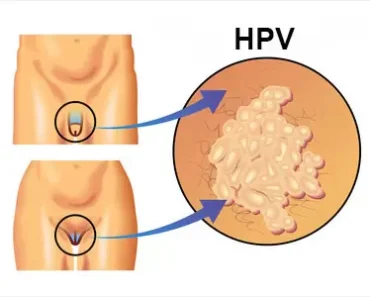
Warts are caused by the human papillomavirus (HPV), which causes rapid, abnormal cell growth. Skin tags are harmless, benign growths of loose collagen fibers. The Euphorbia hirta sap targets these growths through several synergistic actions:
- Direct Drying (Desiccation): The latex is highly concentrated and possesses a powerful, immediate drying effect. This process of desiccation is crucial, as it starves the cells of the moisture they need to survive and proliferate. The wart or tag begins to shrink almost instantly upon repeated application.
- Enzymatic Exfoliation: The sap contains specific enzymes and phytochemicals that act as mild, natural keratolytic agents. Keratolysis is the process of gently dissolving the tough, keratinized outer layer of skin. Unlike harsh acids that burn indiscriminately, this natural action focuses on helping the abnormal cells of the wart or tag naturally shed their structure.
- Antioxidant Support: The plant’s compounds help protect the surrounding skin tissues while the growth is drying out, supporting the skin’s natural regeneration process as the unwanted growth shrinks away.
✨ The Gentle Advantage: Why Users Prefer the Natural Path
For those seeking non-invasive and scar-free results, the traditional use of Euphorbia hirta offers compelling advantages over conventional treatments.
- Non-Aggressive Action: Traditional methods using this plant are known for their mild yet persistent action. It dries and shrinks the growth over days or weeks, rather than burning or freezing the skin immediately, which minimizes the risk of collateral damage to healthy tissue.
- Minimal Scarring Potential: Because the growth is allowed to shrink, darken, and drop off naturally, many users report that the process concludes without the pitting, hypopigmentation, or scarring often associated with chemical peels or cryogenic methods.
- High Accessibility and Low Cost: The plant often grows in accessible environments, making the remedy virtually free and available to communities worldwide.
- Targeted Effect: The compounds appear to target the specific, abnormal nature of the growth, prompting natural detachment and promoting smoother healing underneath.
The Traditional Protocol: A Step-by-Step Application Guide
The key to success with this traditional method lies in consistency and meticulous application. (As always, this is shared for informational purposes based on traditional use and is not medical advice. A small patch test is required before widespread use.)
Step 1: Locate and Harvest the Leaf
- Action: Locate a healthy, fresh Euphorbia hirta plant. The sap is most potent when freshly harvested.
- Pro Tip: Choose a stem or leaf that is plump and vibrant. Wear gloves if possible, as the sap can be slightly sticky.
Step 2: Extract the Potent Sap
- Action: Gently break or snap the stem or leaf. The rich, milky white latex sap will immediately begin to ooze out of the cut end. This sap is the therapeutic agent you need.
- Caution: Handle the sap carefully. It is sticky and should only be applied to the target area.
Step 3: Precise Application
- Action: Apply the fresh sap directly onto the surface of the wart or skin tag. Use the broken end of the stem like a tiny, natural applicator, ensuring the growth is fully covered. Avoid getting the sap on the surrounding healthy skin as much as possible, though the mildness of the plant minimizes risk.
- Drying: Allow the sap to air-dry completely. It will form a thin, almost imperceptible film over the growth.
Step 4: Consistency and Observation
- Action: Repeat this precise application 1 to 2 times daily. The traditional belief is that this consistency is crucial for accelerating the drying and shrinking process.
- Observation: The first visible sign of success is typically the wart or tag beginning to darken, harden, and noticeably shrink in size. As the drying process concludes, the growth will detach on its own. Do not pick or pull the wart/tag. Allow nature to complete the exfoliation process for the best results and minimal scarring risk.

Safety and Respect: Essential Precautions
While this is a gentle, natural remedy, respect for its potent nature is required:
- Eyes and Mucous Membranes: Never allow the sap to come into contact with the eyes, inside the mouth, or other sensitive mucous membranes. If accidental contact occurs, flush immediately and thoroughly with cold water.
- Allergic Reactions: Always perform a spot test on a non-sensitive area of skin (like the inner forearm) before applying to the wart or tag. Discontinue use immediately if any excessive irritation, burning, or redness occurs.
- Broken Skin: Do not apply the sap to open cuts, broken skin, or wounds, as this may cause discomfort.
- Medical Consultation: For growths that are large, painful, or persistent, or if you are ever uncertain about a growth’s identity, consulting a dermatologist or medical professional is the safest, most responsible course of action. This is a traditional support remedy, not a diagnostic or prescriptive medical treatment.
Final Verdict: The Natural Path to Clearer Skin
If the endless cycle of chemical treatments has left you frustrated and your skin irritated, the wisdom of nature offers a simple, powerful alternative. The milky sap of the Euphorbia hirta plant represents a potent, time-tested approach to skin health—gently drying out stubborn growths and supporting the skin’s natural, beautiful regeneration.
This is your opportunity to explore the gentlest, most accessible remedy available for those frustrating skin growths. Try the traditional protocol today and witness the subtle, yet profound, power of nature working on your skin.
Which stubborn growth will you target first with the soothing, drying power of this natural sap?