Acne is a common skin condition that affects millions of people worldwide, particularly teenagers and young adults. It occurs when hair follicles become clogged with oil, dead skin cells, and bacteria,
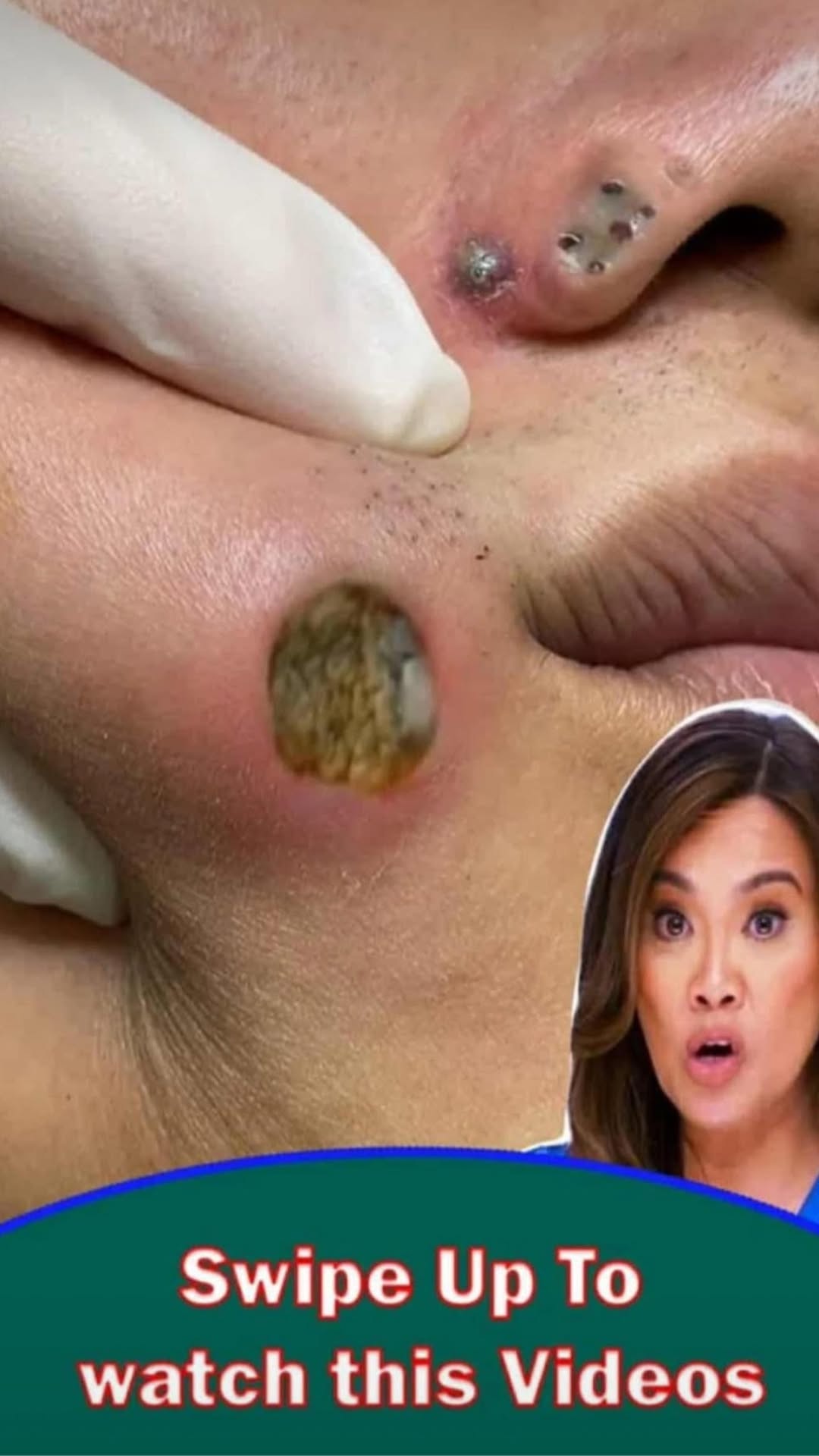
Acne is a very common skin condition that affects millions of people worldwide, especially teenagers and young adults, though it can occur at any age. It develops when the hair follicles on the skin become clogged with excess oil (sebum), dead skin cells, and bacteria. This blockage leads to the formation of blackheads, whiteheads, pimples, or deeper cysts that can be painful and leave scars if not properly managed. Hormonal changes during puberty are one of the main reasons acne is so widespread among teenagers, but stress, diet, certain medications, and genetics can also play a role in its development.
Although acne is not considered a serious health threat, it can have a significant impact on self-esteem and emotional well-being. Many individuals who struggle with acne may feel self-conscious about their appearance, leading to social anxiety or even depression in more severe cases. For this reason, effective management and treatment are essential.
There are many approaches to treating acne, ranging from over-the-counter topical creams containing benzoyl peroxide or salicylic acid, to prescription medications such as antibiotics, retinoids, or hormonal therapies. In addition, proper skin care habits—like gentle cleansing, avoiding harsh scrubbing, and using non-comedogenic products—can help reduce breakouts. For severe or persistent cases, dermatological procedures such as chemical peels, laser therapy, or drainage of cysts may be recommended.
While acne can be frustrating, the good news is that with the right combination of treatment and lifestyle adjustments, it can be managed effectively. Early treatment not only helps reduce active breakouts but also prevents long-term complications such as scarring. Ultimately, acne is a condition that affects many people, and seeking medical guidance when needed can make a big difference in achieving clearer, healthier skin.